The Ultimate Guide to Construction Document Essentials: Everything You Need to Know
What Are Construction Documents?
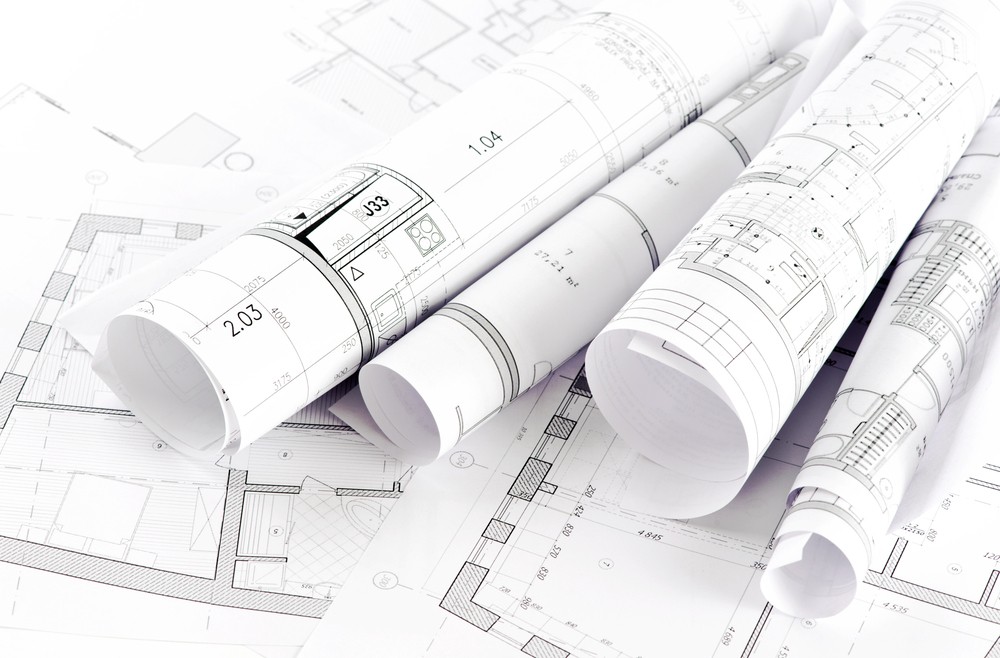
Construction documents are a collection of detailed plans, specifications, and contracts that outline how a construction project will be executed. They provide a clear and complete description of the project, detailing everything from design intentions to technical requirements. These documents are essential for communication between all parties involved, including architects, engineers, contractors, and clients.
Key Components of Construction Documents
Architectural Drawings
Architectural drawings are the visual representation of the project. They include:
- Site plans, which show the location of the project on the site, including property boundaries, landscaping, and any existing structures.
- Floor plans, which provide details of room layouts, dimensions, and locations of doors and windows.
- Elevations that show the façade and how it will look from different angles.
- Sections that reveal the interior structure and details, such as floor levels and ceiling heights.
Structural Drawings
Structural drawings detail the framework and support systems of the building. They include:
- Foundation Plans, which describe the foundation’s layout, depth, and reinforcement.
- Framing Plans that show the arrangement of structural elements like beams, columns, and load-bearing walls.
- Detail Drawings, providing in-depth illustrations of specific structural components, such as connections and joints.
Mechanical, Electrical, and Plumbing (MEP) Drawings
MEP drawings outline the systems that will be installed within the building. These include:
- Mechanical plans: Detail the HVAC (heating, ventilation, and air conditioning) systems, including ductwork and equipment locations.
- Electrical plans: Show the electrical system, including wiring diagrams, outlets, switches, and lighting.
- Plumbing plans: Illustrate the plumbing system, including pipes, fixtures, and drainage.
Specifications
Specifications are written documents that provide detailed descriptions of the materials, workmanship, and standards required for the project. They include:
- General specifications, outlining the overall requirements for the project
- Product specifications, which focus on the specific products and materials to be used
- Workmanship specifications that define the standards for the quality and methods of construction work.
Contract Documents
Contract documents are legal agreements that formalize the project’s terms and conditions. They include:
- Contracts, which define the relationship between the client and contractor, including scope of work, schedule, and payment terms.
- General Conditions that outline the rules and regulations governing the project, including responsibilities, rights, and procedures.
- Supplementary Conditions, which provide additional requirements specific to the project that may modify or supplement the general conditions.
Addenda and Revisions
During the project, changes or updates may be required. These are documented through:
- Addenda: Amendments to the original documents issued before bidding, clarifying or altering aspects of the design or specifications.
- Revisions: Updates made to the construction documents after the project has started, reflecting changes or corrections.
Conclusion
Construction documents are the backbone of any successful project as they ensure clear communication, regulatory compliance, and project efficiency. However, creating these documents isn’t always straightforward. The process can be complex and challenging, with even a small mistake potentially leading to significant issues down the line.
That’s why it’s crucial to trust experts who specialize in crafting precise and comprehensive construction documents. At Armel Design Group, we have the experience and knowledge needed to navigate the intricacies of this process, ensuring that every detail is meticulously addressed. Let us handle the complexities so you can focus on realizing your vision with confidence.
Contact us today to learn more about how our expert team can support you in creating accurate and effective construction documents. Get in touch with us now!
